Security & DNS
TLS-RPT
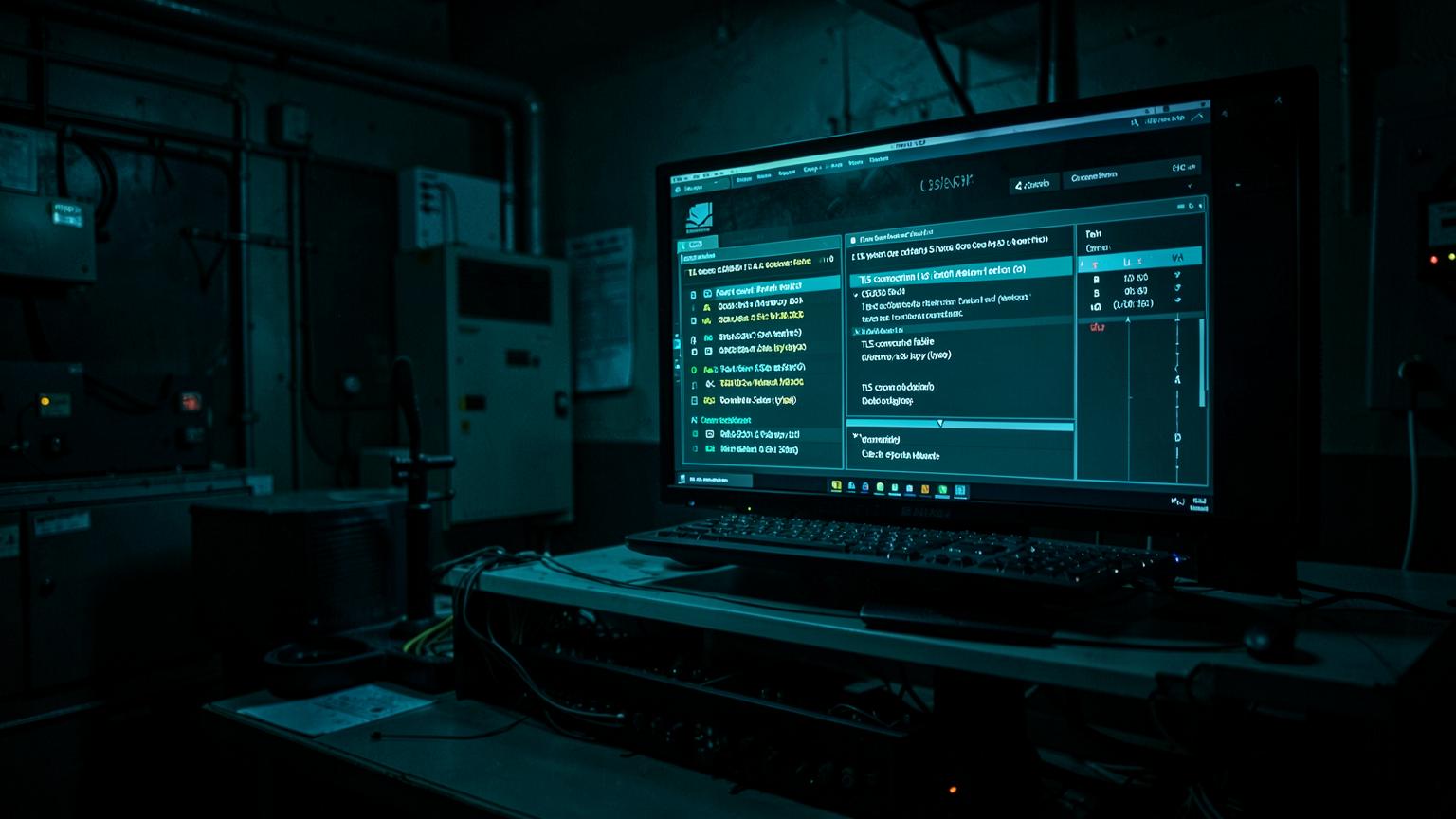
Reporting channel that surfaces failed TLS negotiations to your inbound mail servers, so transport problems are seen rather than silently tolerated.
Capabilities
What we implement
- Reporting address and record configuration
- Report parsing and trend review
- Correlation with MTA-STS policy state
- Alerting on repeated negotiation failures
Security
How it is hardened
- Early detection of interception or misconfigured senders
- Evidence trail for transport-security assurance
- Reports routed to a monitored mailbox, not a black hole
Architecture
TLS reporting loop
Sending servers report failed TLS negotiations to an address you control, turning silent transport failures into visible data.
01 · Declaration
_smtp._tls TXT recordReporting addressAggregation windowReports arrive daily from participating senders.
02 · Collection
Monitored mailboxReport parserRetentionReports land somewhere a human or tool actually reviews.
03 · Analysis
Failure typesSender identificationCertificate issuesRepeated failures usually point at expiry, name mismatch or a broken relay.
04 · Action
Certificate renewalMX correctionMTA-STS policy updateFindings feed straight back into the transport-security configuration.
FAQ
TLS-RPT questions we are asked
- Is TLS-RPT worth it without MTA-STS?
- It is useful either way, but the pair belongs together: MTA-STS states the requirement and TLS-RPT tells you when senders could not meet it.
- How many reports should we expect?
- A handful a day for a typical domain, mostly from large providers. Volume is small enough for a dedicated mailbox.
- Do reports contain message content?
- No. They describe connection and certificate outcomes in aggregate, not messages.
Related
Other security & dns platforms
TLS-RPT is referenced to describe engineering capability. All trademarks and product names are the property of their respective owners; no partnership or endorsement is implied.
Ready to scope the work?
Share your environment and objectives. You will get an engineering response covering scope, approach and considerations.